


Over 20 million of us in the UK are aged 50 or over. By the age of 50 many people begin to experience age related issues such as arthritis, stroke or osteoporosis whilst others may simply feel tired, out of shape or unable to take on some of the activities they used to.
You no longer have to accept the conventional model of aging and pain. We can make significant differences for our clients and help to reverse the undesirable effects of aging. The brain can learn new patterns of movement and action whatever our age so we can improve how we move and improve the quality of our movement throughout life. By utilising the way the brain learns as a child give your brain the chance to form new neural connections. This will allow new patterns of moving and increase your self-awareness that can replace those that cause you pain and decline.
Benefits include improved flexibility, strength, and ease of movement. As a result you will have reduced aches and pains, fewer accidents, and experience a new vitality.
Neuroplasticity After Stroke and Throughout Later Life
For decades it was assumed that stiff joints, shuffling balance, and post-stroke movement loss were permanent and irreversible. Contemporary neuroscience proves otherwise: your brain retains its ability to form new neural pathways at 60, 70, 80, and beyond, provided it is given clear, gentle sensory information through The 9 Essentials rather than mechanical force.
Stroke Rehabilitation & Recovery
Whether a stroke occurred recently or several years ago, gentle Functional Integration® and Functional Synthesis® lessons help the brain rediscover awareness of affected limbs, improve balance and walking gait, and ease compensatory strain on the unaffected side.
Balance, Confidence & Fall Prevention
Good balance is not about gripping harder with your legs—it comes from a supple spine, responsive ankles and hips, and clear head-and-eye coordination so you can walk on uneven ground and turn with confidence.
Quiet Somerset Village Sessions & Residential Stays
We see clients in the peaceful village of Lympsham, Somerset (easily reached via the M5 from Bristol, Bath, and Taunton), and can also arrange multi-day or residential intensives for stroke survivors and couples travelling with a partner.
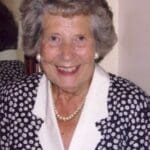
“I’m one rejuvenated 81 year old!!”
Frequently Asked Questions
Can progress still happen months or years after a stroke?
Yes. While hospital rehabilitation naturally focuses on the first weeks after a stroke, the brain’s capacity for neuroplasticity does not expire. By working gently with how the whole body organises movement, clients often discover new ease, steadiness, and arm or leg function long after initial discharge.
What if I have arthritis, osteoporosis, or difficulty getting down to a low table?
Every session is adapted completely to your comfort. Lessons can be conducted sitting in a chair, standing, or lying on a cushioned table with full pillow support, and the touch is always light and respectful of delicate joints and bones.
Can a spouse, family member, or carer attend or stay for an intensive?
Of course. Family members or carers are always welcome in lessons, and for couples travelling from outside Somerset we can even arrange bespoke residential intensives in our five-bedroom village home in Lympsham.